
Understanding the Printing Process: From Design to Delivery
Introduction to the Printing Process
The printing process may seem straightforward, but there's a lot that goes on behind the scenes. Understanding each step from design to delivery is crucial for producing high-quality prints. Whether you're dealing with business cards, brochures, or posters, the journey is as important as the final product.
Design: The Creative Beginning
The process starts with a creative spark. Designers use software like Adobe Illustrator or Photoshop to craft digital designs. It's essential to consider factors such as color schemes, typography, and layout to ensure the design is visually appealing and print-ready.
Designers often work closely with clients to ensure that the final design aligns with the brand's identity and goals. This collaboration results in a design that is both aesthetically pleasing and functional.
Preparing Design Files
Before sending a design to print, files must be properly prepared. This involves setting the correct resolution, typically 300 DPI, and choosing the right color model (CMYK for print). Ensuring these specifications are met is crucial for maintaining quality.

Pre-Press: Getting Ready to Print
Once the design is finalized, it moves to the pre-press stage. Here, the design is checked for errors, and a proof is created for approval. Proofs can be digital or physical, allowing clients to see what the final product will look like.
During this stage, adjustments may be necessary to ensure that everything aligns perfectly. This process helps catch any mistakes before full-scale production begins.
Plate Creation
For offset printing, plates are created for each color used in the design. These plates are then used to transfer ink onto the printing surface. Modern printers often use computer-to-plate (CTP) technology for this step, which increases efficiency and accuracy.

Production: Bringing Designs to Life
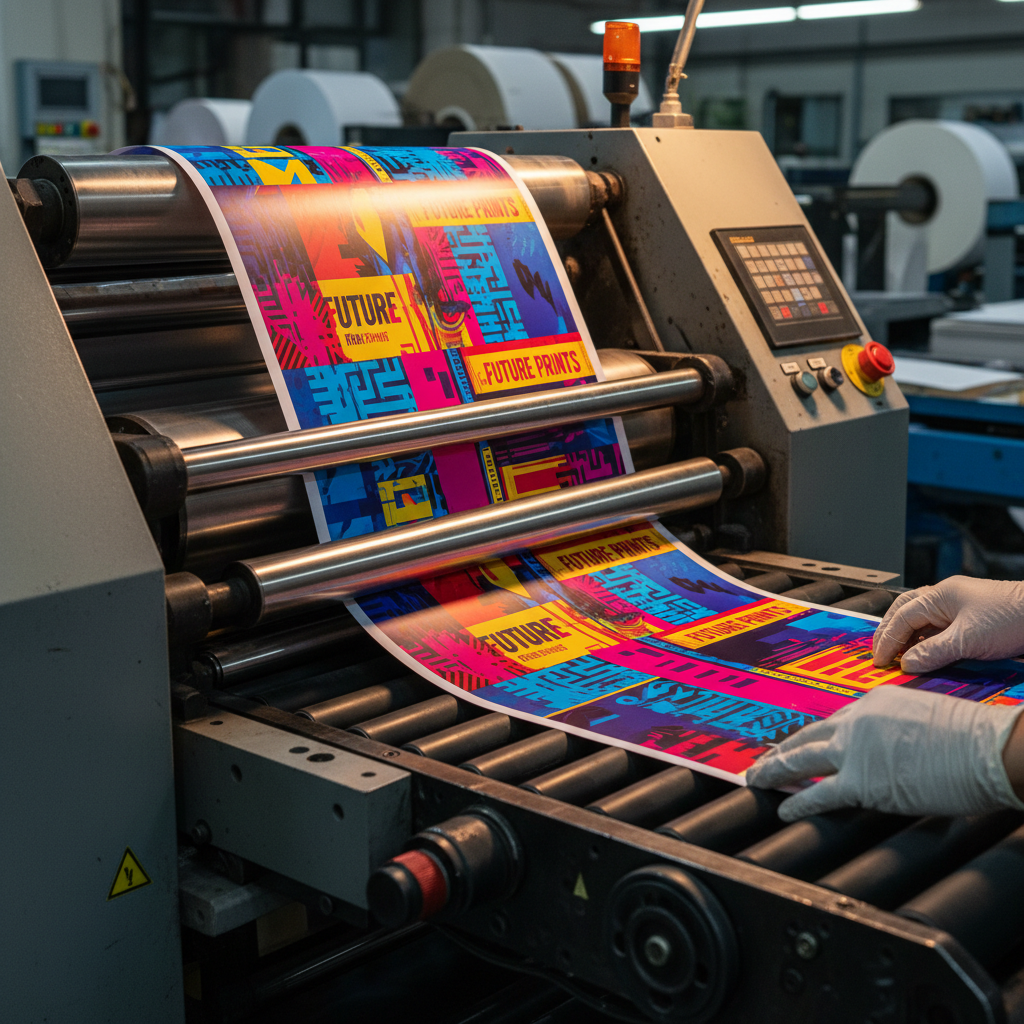
With the pre-press process complete, it's time for production. Depending on the chosen method—offset, digital, or screen printing—the process may vary. Each method has its own set of advantages, with digital printing being fast and flexible, while offset offers greater detail and color accuracy for large runs.
During production, sheets of paper or other materials pass through the press, where ink is applied. Quality control checks are essential at this stage to ensure consistency and precision.
Finishing Touches
After printing, the product may need additional finishing touches. This can include cutting, folding, binding, or coating. These steps enhance the product's appearance and durability, making it ready for use or distribution.

Delivery: Reaching the Final Destination
The final step in the printing process is delivery. Once the prints are finished, they are packaged and shipped to the client or distribution center. Timely delivery is crucial, especially for time-sensitive projects.
Understanding the logistics involved in delivery, such as shipping options and timelines, helps ensure that everything arrives on schedule.
By understanding each phase of the printing process, from design to delivery, you can make informed decisions and achieve the best possible results for your projects.