
Myth-Busting: Common Misconceptions About Eco-Friendly Printing
In the world of printing, the push towards more sustainable practices is gaining momentum. However, several misconceptions about eco-friendly printing persist, creating confusion and skepticism. Let’s dive into some of these myths and uncover the truth behind them.
Myth 1: Eco-Friendly Printing Is More Expensive
One of the most common misconceptions is that sustainable printing options are significantly more costly than traditional methods. While it’s true that initial costs might be higher for certain materials, the overall price difference is shrinking as technology advances. Additionally, the long-term savings from reduced waste and energy consumption can offset these initial expenses.
Moreover, many eco-friendly printing solutions, such as digital printing, offer cost-effective alternatives without compromising quality. Businesses can achieve their sustainability goals while maintaining a balanced budget.
Why Eco-Friendly Printing Can Be Cost-Effective
Eco-friendly printing often involves digital processes that require less setup and waste fewer materials. This efficiency can lead to lower costs in the long run. Furthermore, using recycled paper and soy-based inks can be both environmentally and economically beneficial.
Myth 2: Sustainable Printing Compromises Quality
Another prevalent myth is that eco-friendly printing results in lower quality outputs. However, advancements in printing technology have significantly improved the quality of sustainable materials and inks. Today, eco-friendly prints can match, if not exceed, the quality of traditional prints.
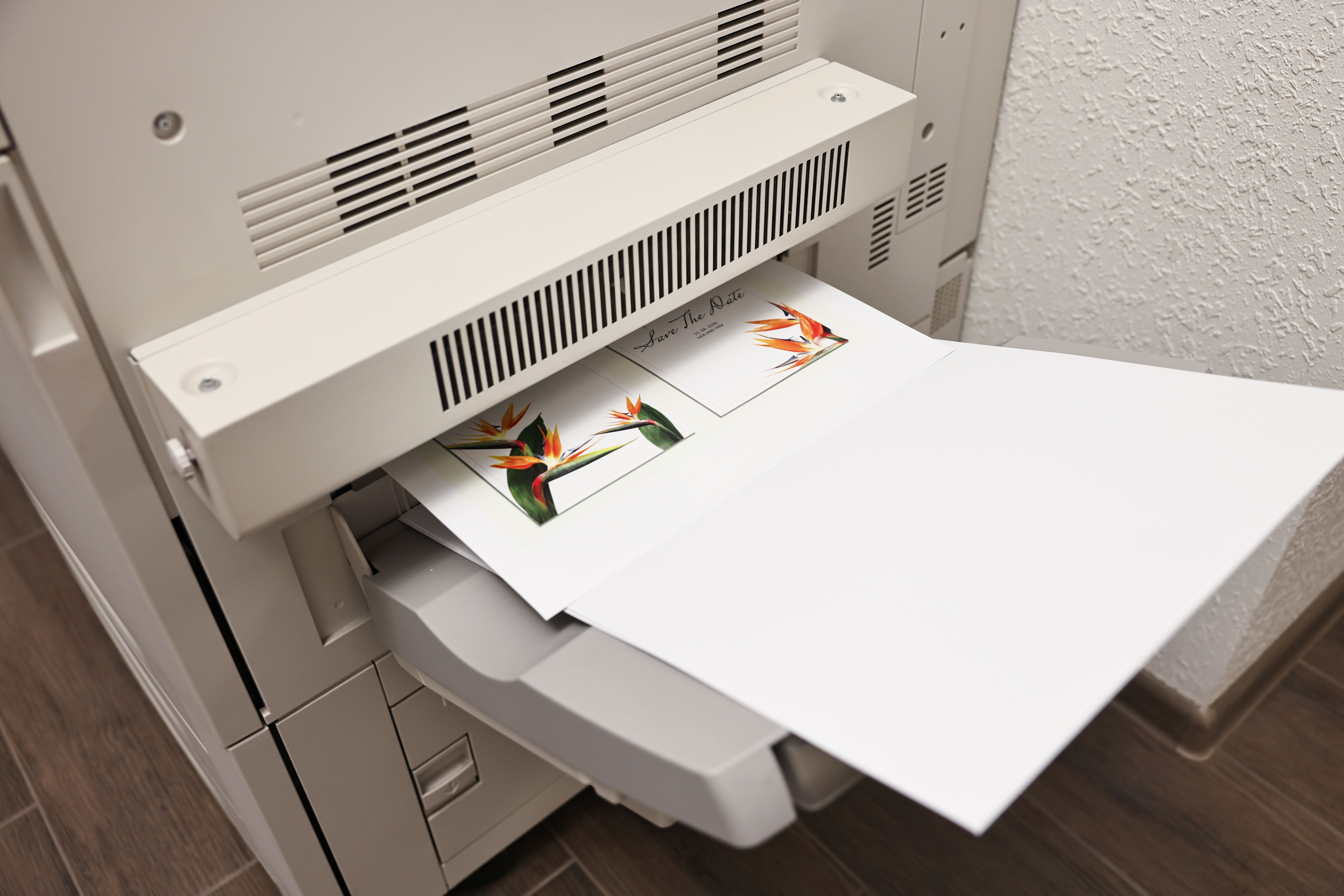
Whether it's vibrant colors or sharp details, eco-friendly printing solutions are equipped to deliver excellent results. The use of high-quality recycled paper and innovative inks ensures that the final product is both appealing and sustainable.
The Role of Technology in Enhancing Quality
Modern printing technologies have made it possible to produce high-quality prints using sustainable materials. Innovations such as waterless printing and UV inks contribute to superior results while maintaining eco-friendly standards.
Myth 3: Limited Options for Eco-Friendly Materials
Many believe that choosing eco-friendly printing restricts the variety of materials and finishes available. In reality, the range of sustainable options has expanded significantly. From recycled paper in various textures and weights to biodegradable laminates, businesses have plenty of choices.

This expanding selection allows companies to align their branding with environmental values without sacrificing creativity or style. Eco-friendly doesn’t mean limited; it means making smarter choices.
Exploring the Range of Sustainable Materials
Recycled paper is just the tip of the iceberg. Other materials such as bamboo paper, hemp, and stone paper offer unique textures and qualities. These options provide the versatility needed for diverse printing needs while promoting sustainability.
Myth 4: Eco-Friendly Printing Is Only for Large Businesses
There's a misconception that sustainable printing is only feasible for large corporations with substantial budgets. In reality, businesses of all sizes can adopt eco-friendly practices. Small and medium enterprises can take advantage of scalable solutions that fit their specific needs and budgets.
Local and independent print shops often offer eco-friendly services tailored to smaller businesses, making sustainability accessible to everyone. By adopting these practices, companies not only contribute to environmental conservation but also enhance their brand reputation.
Steps for Small Businesses to Go Green
- Start by using recycled paper and eco-friendly inks.
- Partner with local print shops that prioritize sustainability.
- Implement digital proofs to reduce waste.
- Promote your commitment to sustainability in marketing materials.
By dispelling these myths, we can better understand the benefits and possibilities of eco-friendly printing, paving the way for a more sustainable future.