
How to Prepare Your Business for Seasonal Print Demands
Understanding Seasonal Print Demands
As the seasons change, so do consumer behaviors and business needs. Seasonal print demands can significantly impact industries such as retail, hospitality, and events. Preparing your business to handle these demands efficiently is crucial for success. This involves anticipating the needs of your market and ensuring your print processes are agile and responsive.
Seasonal peaks often mean increased orders for promotional materials, packaging, and signage. Businesses that are unprepared may face delays, customer dissatisfaction, and lost revenue opportunities. Understanding these demands allows you to plan accordingly and stay ahead of the competition.

Forecasting Print Demand
Accurate forecasting is vital to managing seasonal print demands. Start by analyzing historical sales data to identify trends and patterns. This information can guide you in predicting future needs more accurately. Collaborate with your sales and marketing teams to align your print strategy with upcoming campaigns and promotions.
It's also important to consider external factors such as market trends, economic conditions, and even weather patterns that could influence demand. Using predictive analytics tools can further enhance your ability to anticipate print needs and make informed decisions.
Streamlining Production Processes
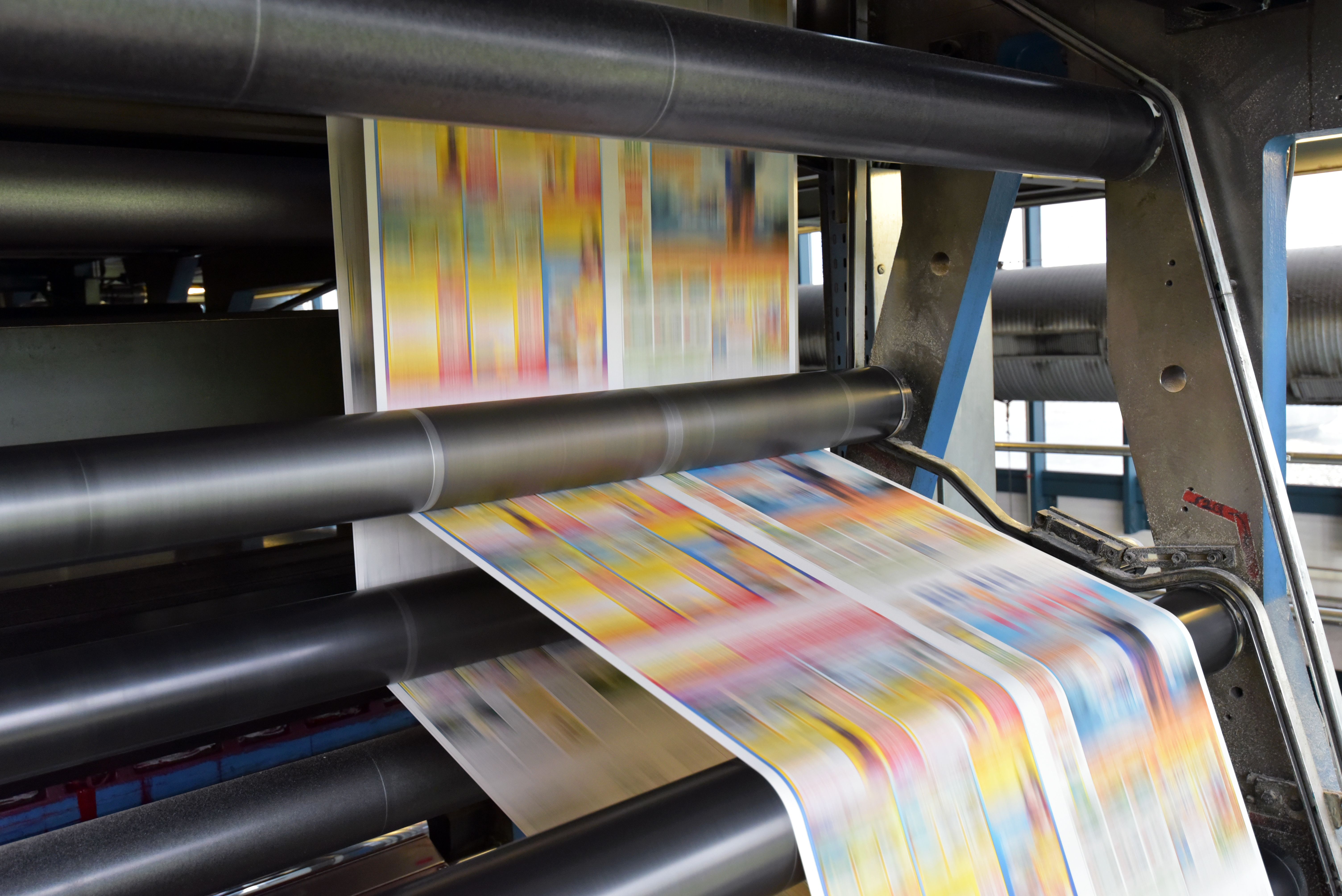
Efficiency in production processes is key to meeting seasonal print demands. Evaluate your current workflows and identify any bottlenecks or inefficiencies. Implementing automation and investing in state-of-the-art printing technology can significantly improve turnaround times and reduce errors.
Partnering with reliable suppliers and establishing clear communication channels ensures a steady supply of materials. It's also wise to have contingency plans in place to handle unexpected spikes in demand or supply chain disruptions.
Optimizing Inventory Management
Effective inventory management is crucial for handling seasonal print demands. Maintain a balance between having enough stock to meet demand and minimizing excess inventory that ties up capital. Implementing a just-in-time inventory system can help achieve this balance.
Regular inventory audits and real-time tracking systems can provide insights into stock levels and consumption patterns. This information helps in making timely procurement decisions and avoiding shortages during peak seasons.
Enhancing Quality Control
High-quality print materials are essential for maintaining brand reputation and customer satisfaction. During peak seasons, the pressure to meet deadlines can sometimes lead to compromised quality. Implement rigorous quality control measures to ensure consistency and excellence in your print outputs.
Train your team to adhere to quality standards and conduct regular inspections throughout the production process. Encouraging a culture of quality awareness can lead to better outcomes and fewer reprints.

Leveraging Technology for Better Outcomes
Technology plays a pivotal role in managing seasonal print demands. Digital printing solutions offer flexibility and speed, allowing businesses to produce custom materials in smaller batches. This adaptability is particularly beneficial for seasonal promotions that require quick turnarounds.
Utilize software solutions for project management, workflow optimization, and inventory tracking. These tools can streamline operations and provide valuable data insights to inform strategic decisions.
Conclusion
Preparing your business for seasonal print demands involves a combination of strategic planning, efficient processes, and technological innovation. By understanding market needs, streamlining operations, and maintaining quality, you can effectively meet the challenges of seasonal peaks and capitalize on new opportunities.
Start planning early, stay flexible, and leverage the right tools and partnerships to ensure your business thrives during high-demand periods.