
How to Design Eye-Catching Posters: A Step-by-Step Tutorial
Understanding Your Objective
Before you start designing a poster, it's essential to understand its purpose. Are you promoting an event, announcing a sale, or raising awareness for a cause? Knowing your objective will guide your design choices and help you focus on the message you want to convey.
Consider your target audience as well. What will attract their attention? What information do they need? Answering these questions will ensure that your poster communicates effectively.
Choosing the Right Tools
Deciding on the design software is the next step. Popular options include Adobe Illustrator, Canva, and Photoshop. Each tool has its strengths, so choose one based on your familiarity and the complexity of your design.
Designing with Layout and Structure
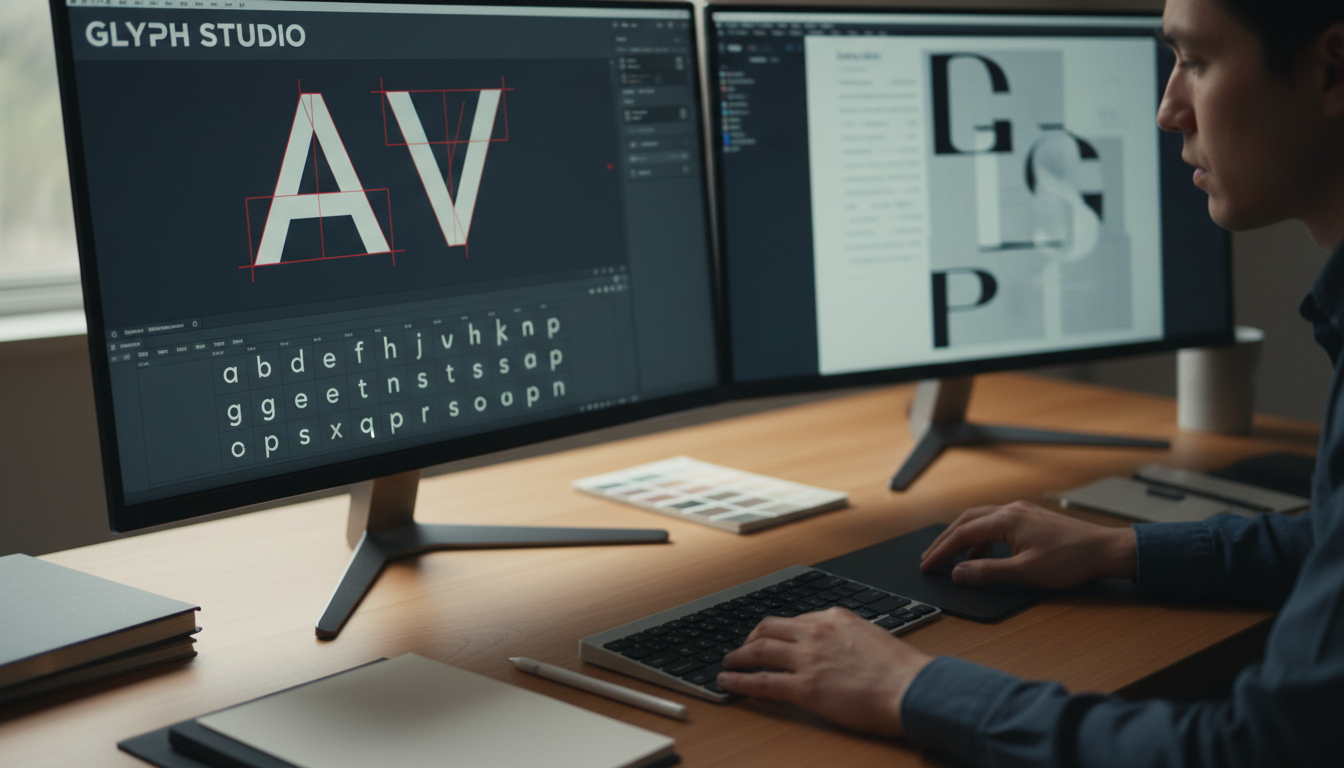
A well-structured layout is crucial for an eye-catching poster. Start by selecting a template or creating a grid to organize your elements. A clear hierarchy of information, with the most important details standing out, will help guide the viewer's eye through the poster.
Use alignment and spacing to create a balanced design. Consistency in these elements ensures that your poster is not only attractive but also easy to read.
Color and Typography
Choosing the right colors can make or break your poster. Use colors that align with your brand or message, and consider the emotional impact they may have. A limited color palette often works best to maintain a cohesive look.
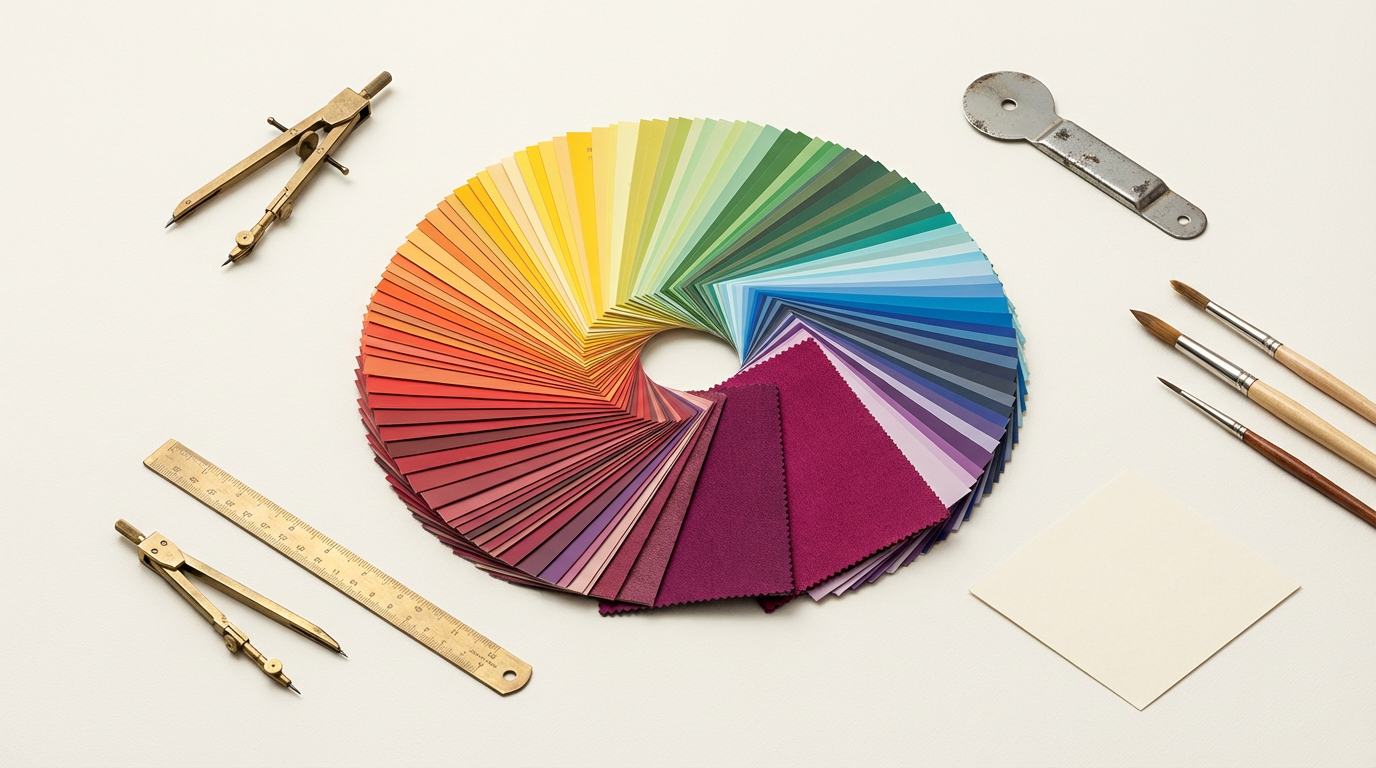
Typography is equally important. Select fonts that are readable and match the tone of your poster. Mixing too many fonts can be distracting, so stick to two or three complementary styles.
Incorporating Images and Graphics
High-quality images and graphics can greatly enhance your poster. Ensure they are relevant to the content and not overly cluttered. Visuals should support the message and draw attention to key areas.
Consider using illustrations, icons, or photographs that align with your theme. Avoid overloading your poster with too many visual elements, which can overwhelm the viewer.
Finalizing and Printing
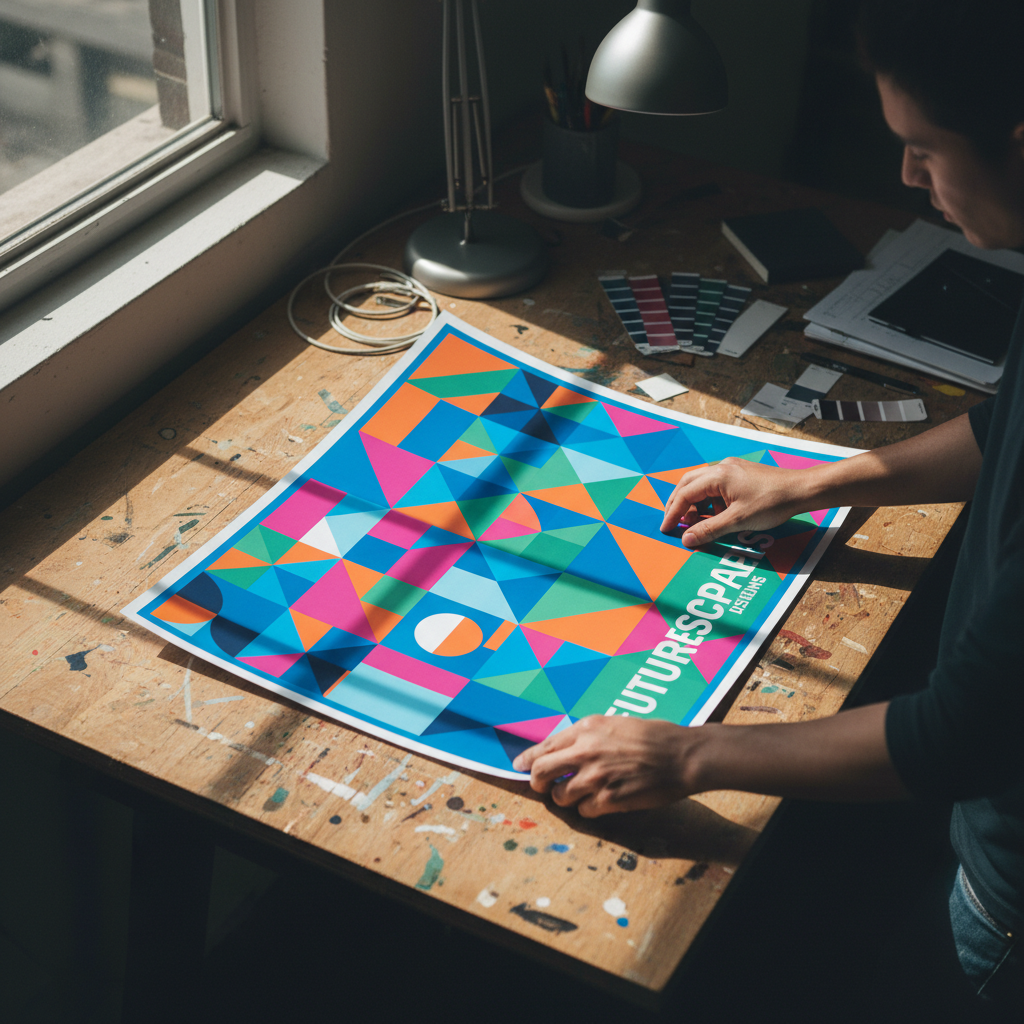
Before finalizing your design, double-check for any spelling or grammatical errors. Ensure all elements are aligned and properly spaced. A quick review can save you from potential embarrassment later.
Once satisfied, choose the right paper and printing options. Quality printing can significantly impact the poster's appearance, so invest in good materials if possible.
Testing and Feedback
Share your poster draft with colleagues or friends to gather feedback. They may spot areas for improvement that you missed. Testing the poster with a small audience can also offer insights into its effectiveness.

Conclusion
Designing an eye-catching poster requires a blend of creativity and strategic planning. By following these steps, you'll be well on your way to creating a poster that captures attention and communicates your message effectively. Remember, practice makes perfect, so keep experimenting and honing your design skills.