
Comprehensive Guide to Choosing the Right Print Materials for Your Business
Understanding Your Business Needs
Choosing the right print materials begins with understanding your business needs. Consider what you want to achieve with these materials. Are you looking to increase brand awareness, drive sales, or provide information? Clearly defining your goals will guide your choices in print materials, ensuring they align with your overall marketing strategy.
Additionally, think about your target audience. Different demographics may respond better to certain types of print materials. Tailoring your approach will help maximize the effectiveness of your print marketing efforts.

Types of Print Materials
There are various types of print materials available, each serving different purposes. Here’s a look at some of the most common options:
- Business Cards: Essential for networking and leaving a professional impression.
- Brochures: Ideal for providing detailed information about your products or services.
- Flyers: Great for promoting events or special offers.
- Posters: Useful for grabbing attention in high-traffic areas.
Evaluate which types resonate best with your audience and fit your marketing goals.
Design Considerations
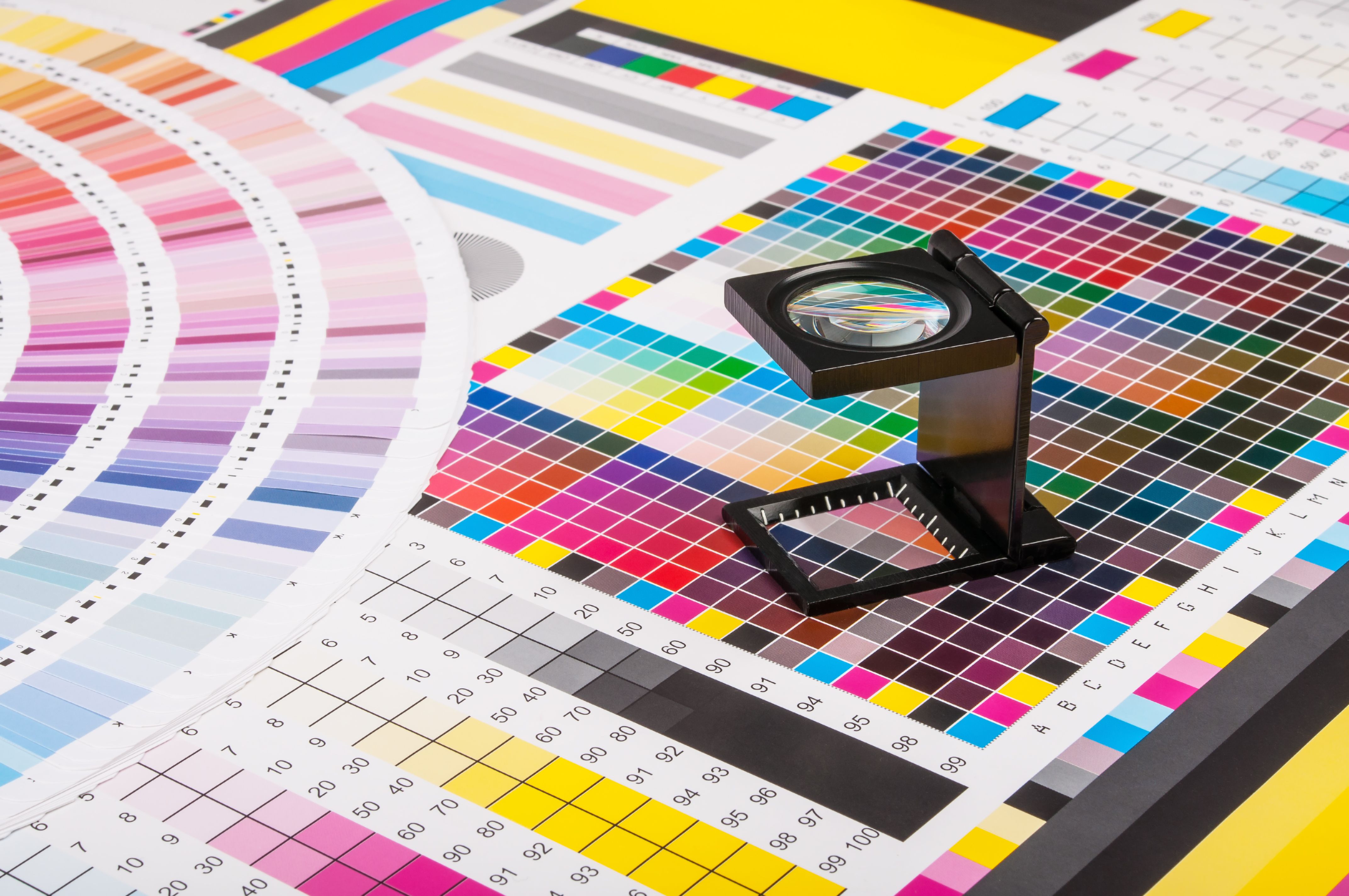
Once you’ve identified the types of materials you need, focus on design. A well-designed print piece can significantly impact its effectiveness. Ensure your branding is consistent across all materials, including logos, colors, and fonts. This consistency helps reinforce brand recognition and credibility.
Additionally, consider the layout and readability. Use clear, concise language and strong visuals to engage your audience. High-quality images and graphics can make your materials more appealing and professional.

Choosing the Right Paper and Finish
The quality of paper and finish can greatly influence the perception of your print materials. Options range from glossy and matte finishes to various paper weights and textures. Each choice can affect both the look and feel of your materials.
Consider heavier paper for a more premium feel, or a glossy finish to make colors pop. Balancing cost with quality is key to making the right decision for your budget and goals.

Printing Techniques
Different printing techniques can add unique elements to your materials. Digital printing is cost-effective for small runs, while offset printing offers high-quality results for larger volumes. Additionally, consider special techniques like embossing or foil stamping to add a touch of elegance and sophistication.
These techniques can enhance the tactile experience and make your materials stand out. However, be mindful of your budget, as specialized techniques can increase costs.
Distribution Strategies
Finally, think about how you will distribute your print materials. Whether it’s through direct mail, in-store handouts, or at events, having a clear distribution strategy is crucial. Consider the locations and methods that will best reach your target audience.
Tracking the effectiveness of your distribution can provide valuable insights into what works best, allowing you to refine your approach over time.

Conclusion
Choosing the right print materials for your business involves careful consideration of your goals, audience, design, and distribution strategies. By understanding these elements, you can create effective materials that enhance your brand and achieve your marketing objectives.
Remember, the right print materials can leave a lasting impression, so invest the time and resources to make them count.