
Comparing Printing Techniques: Digital vs. Offset
Understanding the Basics
When it comes to printing, two popular techniques often stand out: digital printing and offset printing. Each method has its own advantages and is suited to different types of projects. Understanding the differences can help you choose the right approach for your needs.
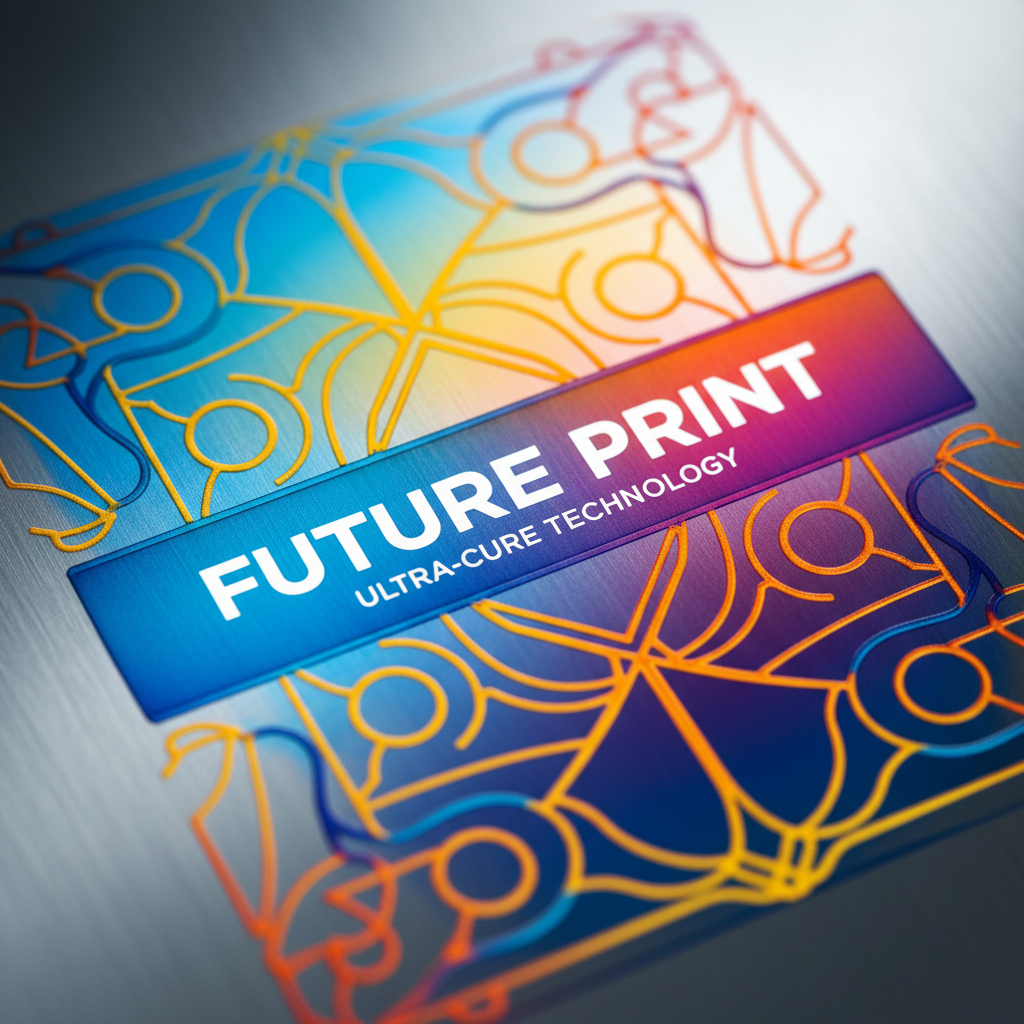
What is Digital Printing?
Digital printing is a modern method that involves transferring digital images directly onto a variety of media. This technique is ideal for small to medium print runs and allows for quick turnaround times. The absence of setup processes like creating plates makes digital printing highly efficient for personalized projects.
Advantages of Digital Printing
Digital printing offers several benefits, including:
- Cost-Effectiveness: Ideal for short runs due to lower setup costs.
- Speed: Quick production without the need for plates.
- Flexibility: Easily accommodates changes and updates.
Exploring Offset Printing
Offset printing, a traditional method, involves transferring images onto rubber blankets or plates before printing on paper. This technique is known for producing high-quality, consistent prints and is often used for larger print runs.
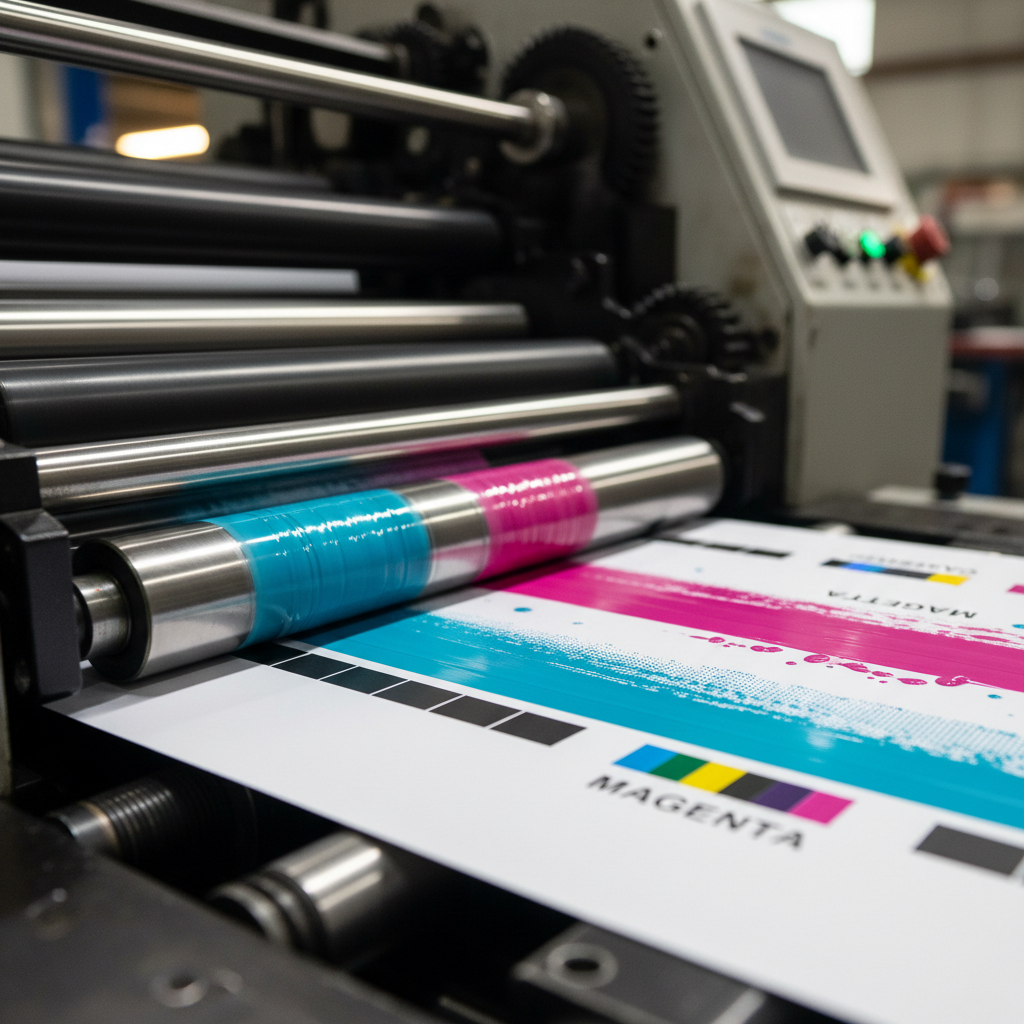
Benefits of Offset Printing
Offset printing is favored for several reasons:
- Quality: High image quality with sharp details.
- Economical for Large Runs: More cost-effective when printing in bulk.
- Versatility: Suitable for a wide range of materials and finishes.
Comparing Print Quality
One of the main differences between digital and offset printing is the quality of the final product. While digital printing has improved significantly, offset printing still holds an edge in producing crisp and vibrant images, especially for large-scale projects.

Customization and Flexibility
Digital printing excels in customization, making it perfect for personalized marketing materials, such as business cards and brochures. Offset printing, while less flexible, is unmatched in producing uniform prints in large quantities.
Choosing the Right Technique
The choice between digital and offset printing depends on several factors, including budget, quantity, and desired quality. For smaller, personalized projects, digital printing is often the way to go, whereas offset printing is better suited for large-scale, high-quality print jobs.
In conclusion, understanding the strengths and limitations of each printing technique can help you make an informed decision that best suits your project's needs.