
Comparing Digital vs. Offset Printing: Which Is Right for Your Business?
Introduction to Printing Methods
When it comes to printing, businesses often find themselves choosing between two primary methods: digital and offset printing. Each method has its unique benefits and drawbacks, making the decision crucial depending on your business needs. Understanding the differences can help you make an informed choice.
Understanding Digital Printing
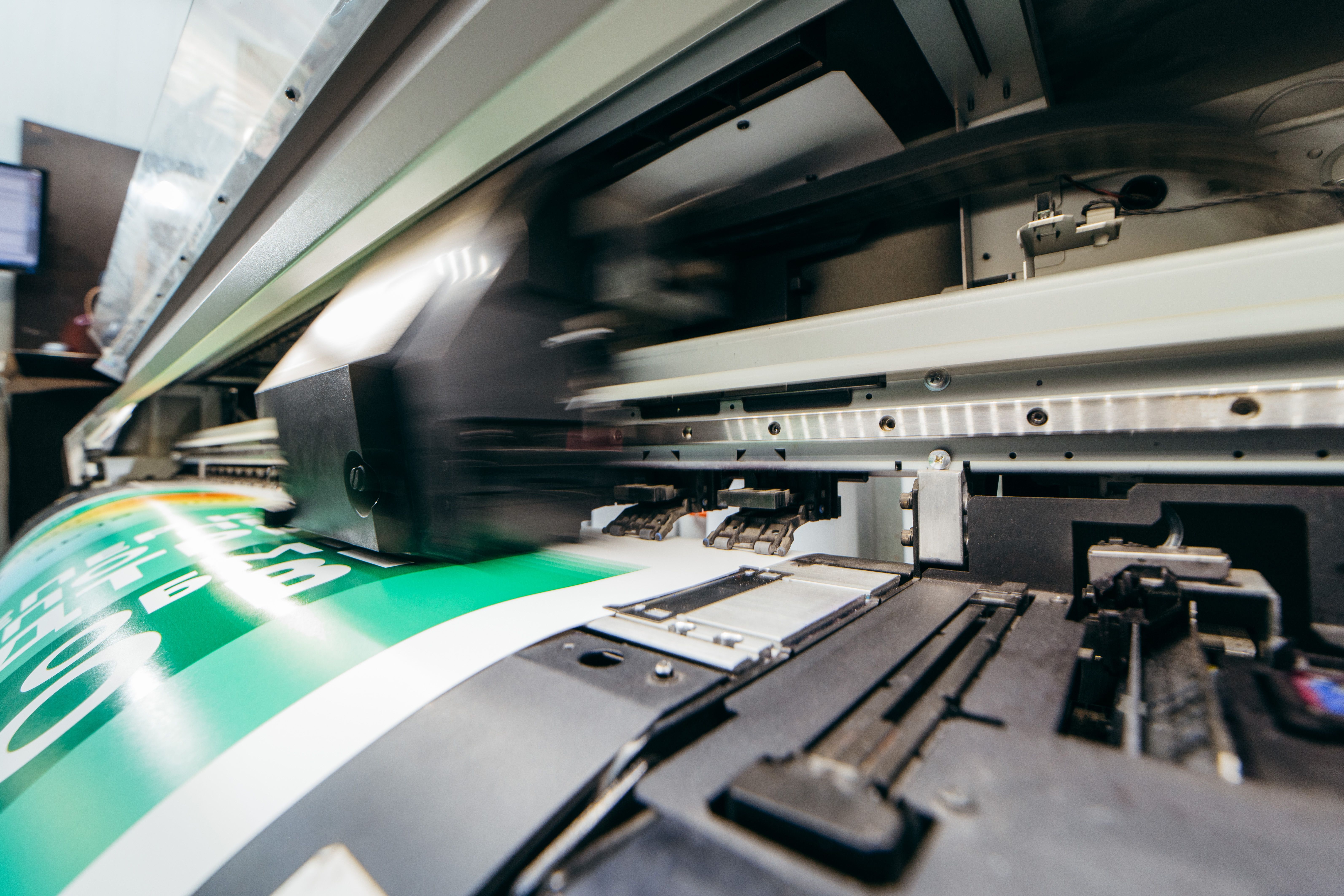
Digital printing is a modern method that involves printing digital-based images directly onto a variety of media. It does not require a printing plate, making it an ideal choice for smaller print runs and projects requiring quick turnaround times. If you're looking for flexibility and the ability to make last-minute changes, digital printing might be the way to go.
Benefits of Digital Printing
- Cost-Effective for Small Runs: With no need for setup fees, digital printing is economical for smaller quantities.
- Fast Turnaround: Digital presses offer quick setup and processing, ideal for tight deadlines.
- Customization: Variable data printing allows for personalized prints, making it perfect for targeted marketing campaigns.
Exploring Offset Printing
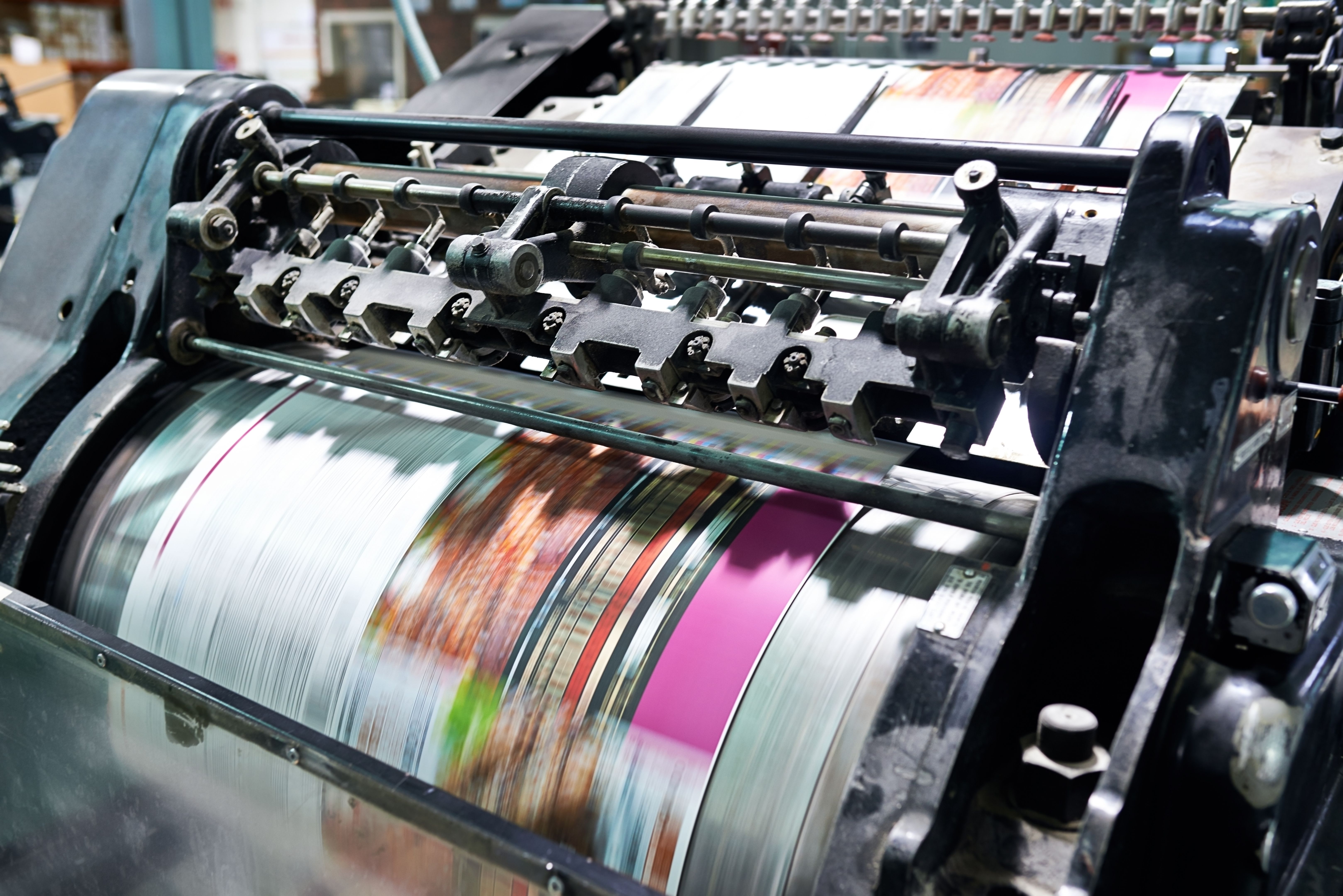
Offset printing, on the other hand, is a traditional method that involves transferring ink from a plate to a rubber sheet and then onto the printing surface. It's known for producing high-quality prints and is often used for larger production volumes. If consistency and precision are essential for your project, offset printing is a reliable choice.
Advantages of Offset Printing
- Superior Quality: Offset printing delivers crisp and clean images and text.
- Cost-Effective for Large Runs: While setup is more expensive, the per-unit cost decreases with higher quantities.
- Wide Range of Materials: It supports various paper types and finishes, providing greater versatility.
Which is Right for Your Business?
The decision between digital and offset printing largely depends on your specific needs. Consider the following factors:
Quantity and Budget
If you need a small quantity of prints and are working with a limited budget, digital printing is likely your best option. However, for large volumes, offset printing provides a more cost-effective solution over time.
Quality and Customization
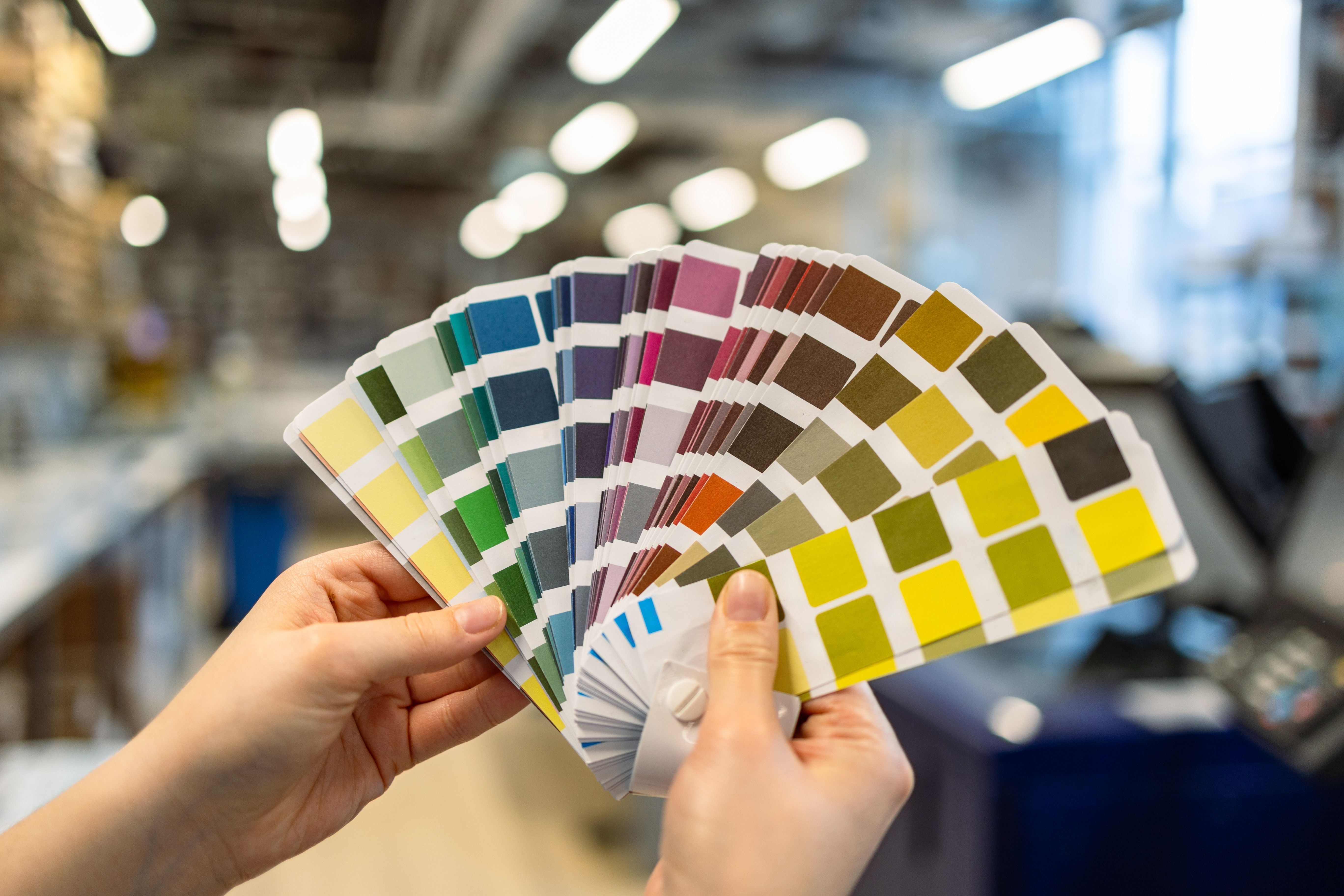
For projects that require high-quality images and complex color schemes, offset printing is unmatched. Conversely, if customization and personalization are crucial, digital printing's flexibility will serve you well.
Conclusion
Both digital and offset printing have their places in the business world. By evaluating your needs based on factors such as quantity, budget, quality, and customization, you can choose the method that aligns best with your business goals. Whether it's the speed and adaptability of digital printing or the high-quality precision of offset printing, the right choice will enhance your marketing efforts.