
Common Misconceptions About Printing Costs and How to Save Money
When it comes to printing costs, many businesses face a myriad of misconceptions that can lead to overspending. Understanding these misconceptions is key to effectively managing your printing budget and achieving cost savings.
Misconception 1: Printing Is Always Expensive
One common belief is that printing is inherently costly. While it's true that some printing services can be expensive, there are numerous ways to keep costs under control. By choosing the right printer, paper, and ink, you can significantly reduce expenses.
Businesses often overlook the importance of selecting the appropriate paper type and printer settings. Opting for a lower-quality print for internal documents can cut costs without compromising your professional image for external communications.
Misconception 2: Cheap Ink Is the Best Way to Save
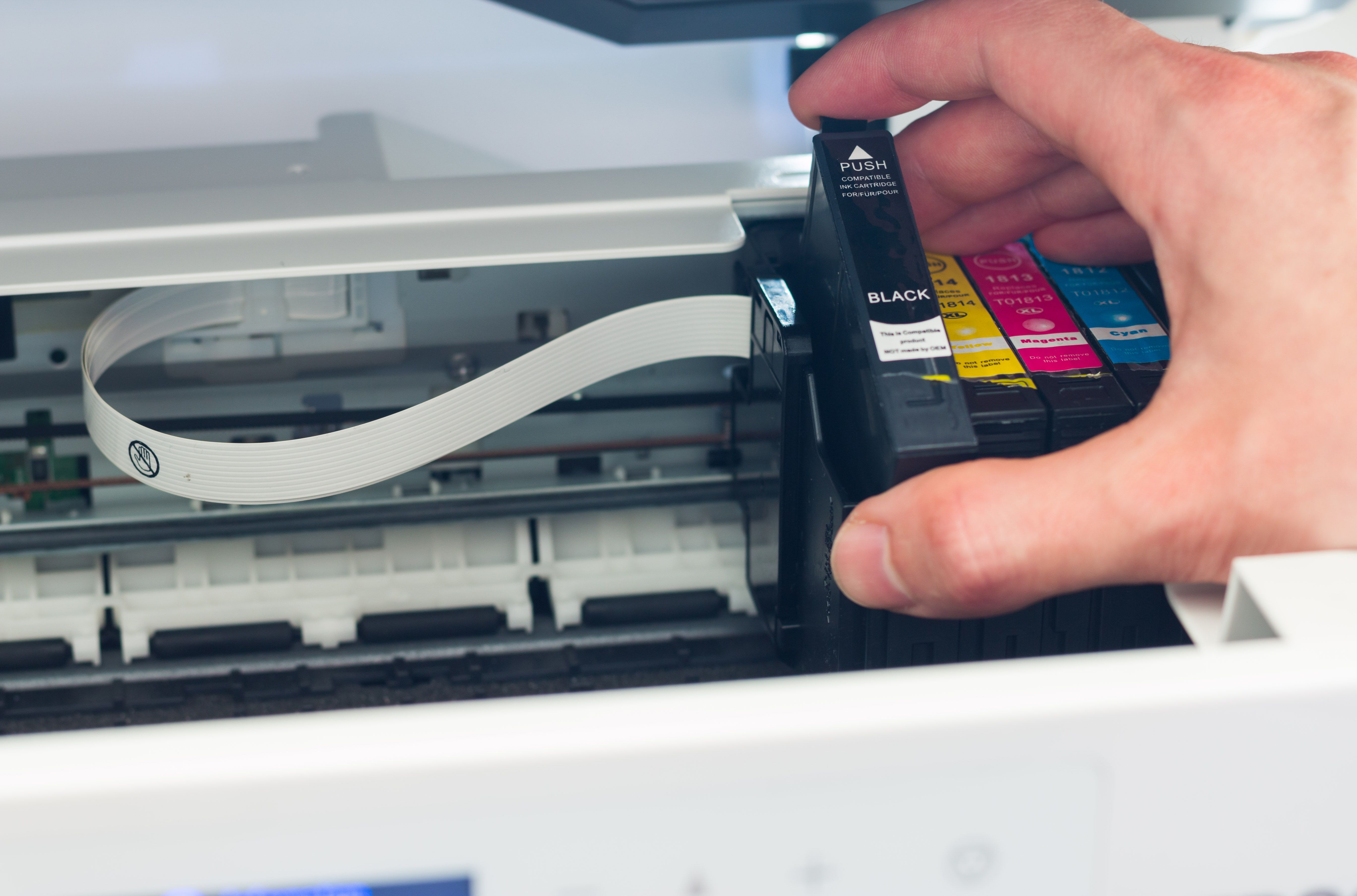
Many believe that purchasing cheaper ink cartridges is the best way to cut printing costs. However, this can lead to more frequent replacements and potentially damage your printer. Instead, consider investing in high-yield cartridges, which may have a higher upfront cost but provide more prints per cartridge.
Alternative Ways to Save on Ink
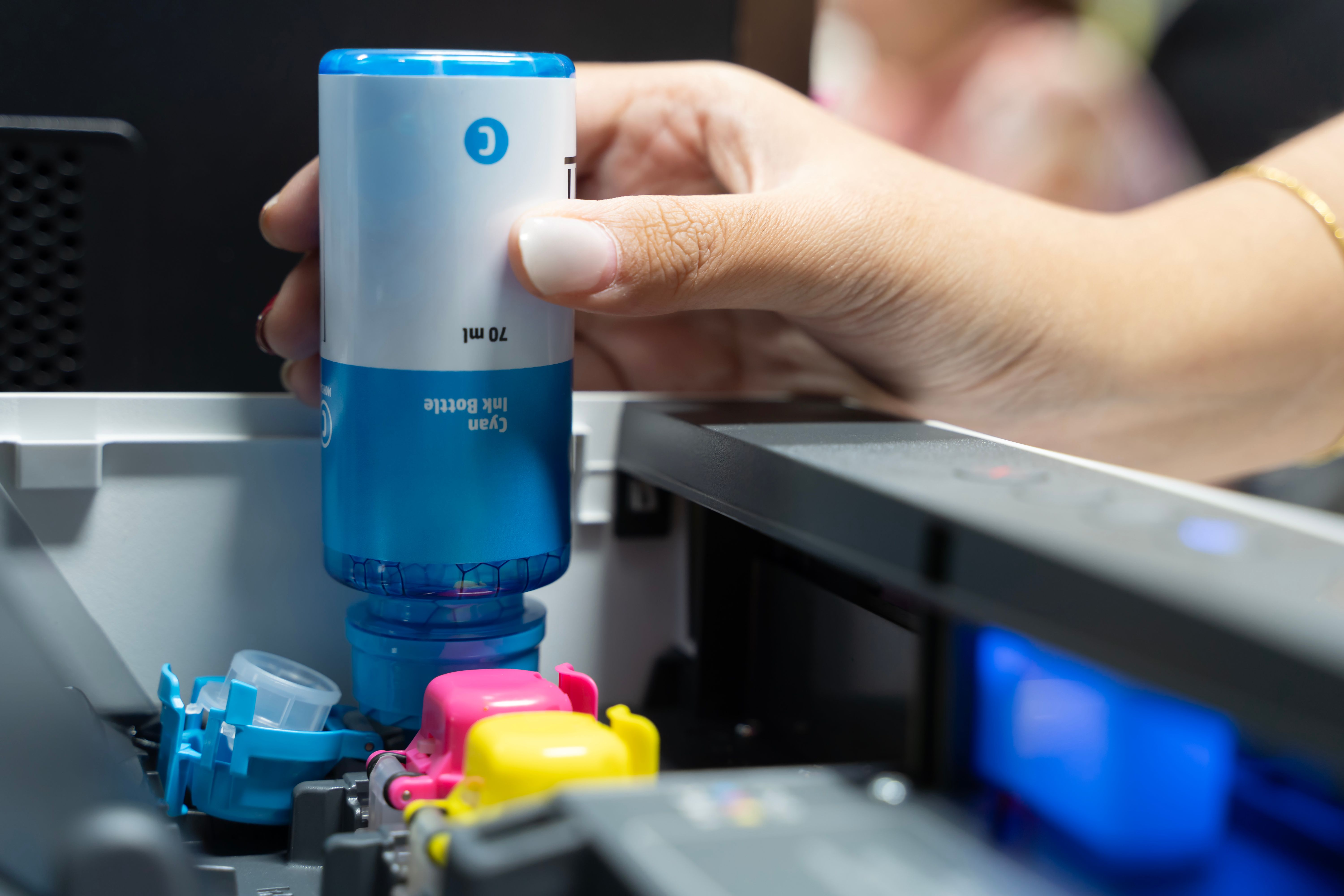
In addition to high-yield cartridges, consider implementing ink-saving techniques such as:
- Using draft mode for non-essential prints
- Regularly cleaning printheads
- Choosing fonts that use less ink, like Arial or Times New Roman
Misconception 3: All Printers Have the Same Efficiency
Another misconception is that all printers operate with the same efficiency. In reality, different printers have varying levels of energy consumption and ink usage. It's crucial to assess your printing needs and choose a printer that aligns with your volume and quality requirements.
Consider energy-efficient printers that offer duplex printing, which allows printing on both sides of the paper, reducing paper usage and costs.
Misconception 4: Digital Documents Are Always Cheaper
While digital documents can reduce the need for physical printing, they are not always the most cost-effective solution. Some industries and situations still require printed materials, and certain audiences may prefer or respond better to physical copies.

Balancing digital and print materials according to your audience's needs can optimize your communication strategy and expenses. Evaluate the effectiveness of each approach and adjust accordingly.
Conclusion: Strategic Planning for Cost Savings
Understanding these common misconceptions about printing costs can lead to more informed decisions and significant savings. By choosing the right equipment, optimizing your printing practices, and balancing digital and physical documents, businesses can effectively manage their printing budgets.
Implementing these strategies not only saves money but also contributes to a more sustainable and efficient business operation. Evaluate your current practices and consider making adjustments to see impactful results.