
Common Misconceptions About Eco-Friendly Printing
Understanding Eco-Friendly Printing
In recent years, eco-friendly printing has gained significant attention as businesses and consumers become more environmentally conscious. However, there are several misconceptions that can mislead people about what eco-friendly printing truly entails. It's essential to debunk these myths to make informed decisions that genuinely benefit the environment.
Eco-friendly printing refers to the use of sustainable practices and materials to minimize environmental impact. This can include using recycled paper, soy-based inks, and energy-efficient printing processes. While these practices are increasingly popular, misunderstanding them can lead to ineffective environmental efforts.
Myth 1: Eco-Friendly Printing Is More Expensive
One of the most common misconceptions is that eco-friendly printing is inherently more costly than traditional methods. While it is true that some sustainable materials and processes can be more expensive, advances in technology and increased demand have made many eco-friendly options more affordable.
In fact, many businesses find that eco-friendly practices can lead to cost savings in the long run. By using energy-efficient equipment and reducing waste, companies can lower their operational costs while also supporting the environment.
Myth 2: Quality Is Sacrificed
Another widespread belief is that eco-friendly printing results in lower quality. However, technological advancements have significantly improved the quality of sustainable printing materials and methods. Today, eco-friendly inks and papers can produce vibrant colors and crisp images comparable to traditional options.

Many consumers are unable to distinguish between products printed using eco-friendly methods and those that are not. This progress allows businesses to maintain their brand standards while adopting sustainable practices.
Myth 3: Limited Options Available
Some people think that choosing eco-friendly printing limits their options in terms of materials and finishes. Contrary to this belief, the range of sustainable materials available has expanded significantly. From recycled paper with various finishes to biodegradable inks, the choices are vast and versatile.
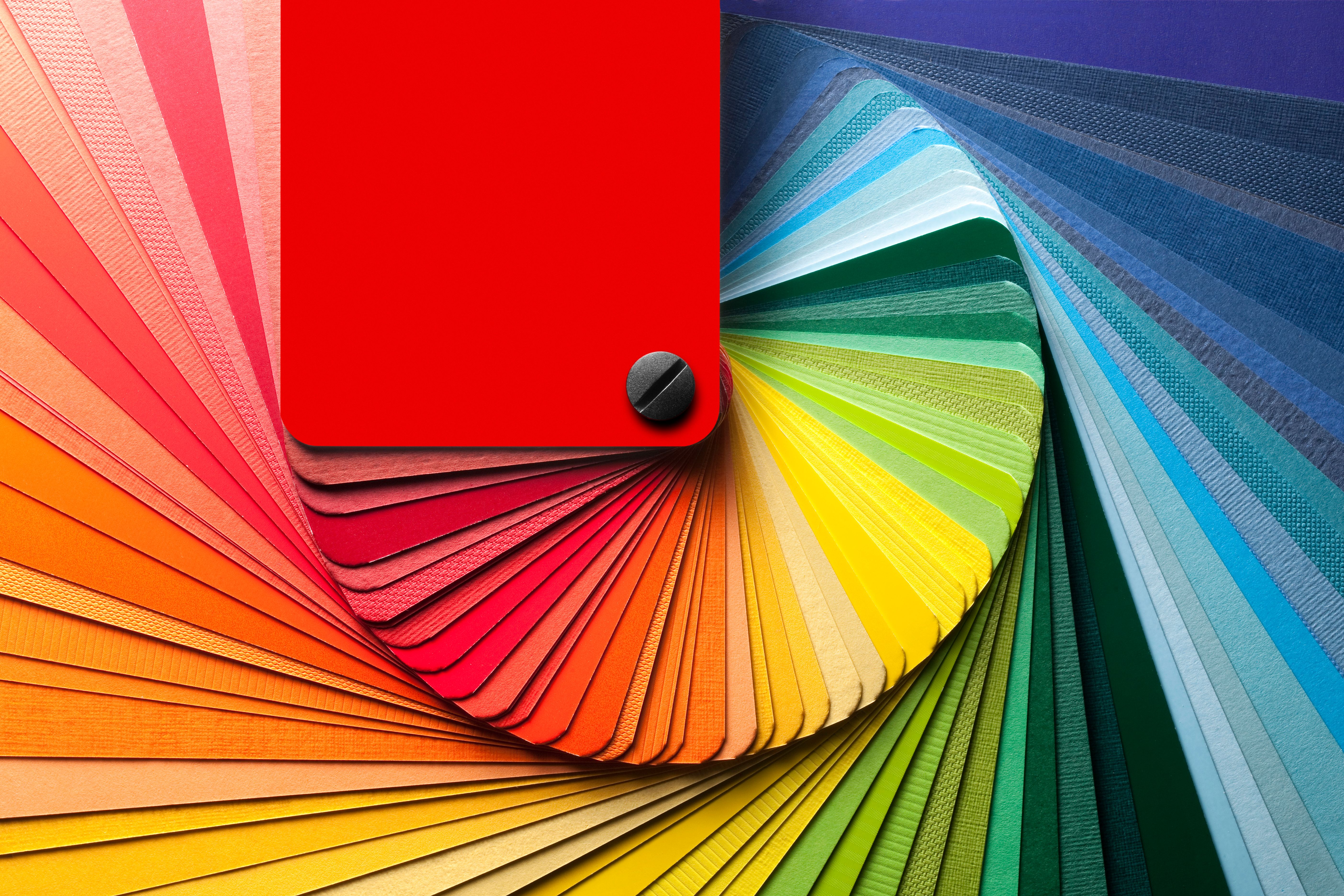
Moreover, many companies now offer customizable solutions to meet specific needs while adhering to eco-friendly standards. This flexibility allows businesses to maintain creativity and uniqueness in their printed materials.
Myth 4: Eco-Friendly Printing Is Just a Trend
Finally, some may view eco-friendly printing as just a passing trend. However, the growing emphasis on sustainability and environmental responsibility indicates that this is a long-term shift rather than a fleeting fad. Consumers are increasingly demanding environmentally responsible products, and businesses are responding by integrating sustainable practices into their operations.
The benefits of eco-friendly printing extend beyond environmental impact, offering potential cost savings and improved brand image. As awareness continues to grow, eco-friendly printing is poised to become the industry standard.
In conclusion, understanding the realities of eco-friendly printing is crucial for making informed decisions. By dispelling these common misconceptions, businesses and consumers can better embrace sustainable practices that genuinely benefit the environment and support long-term success.